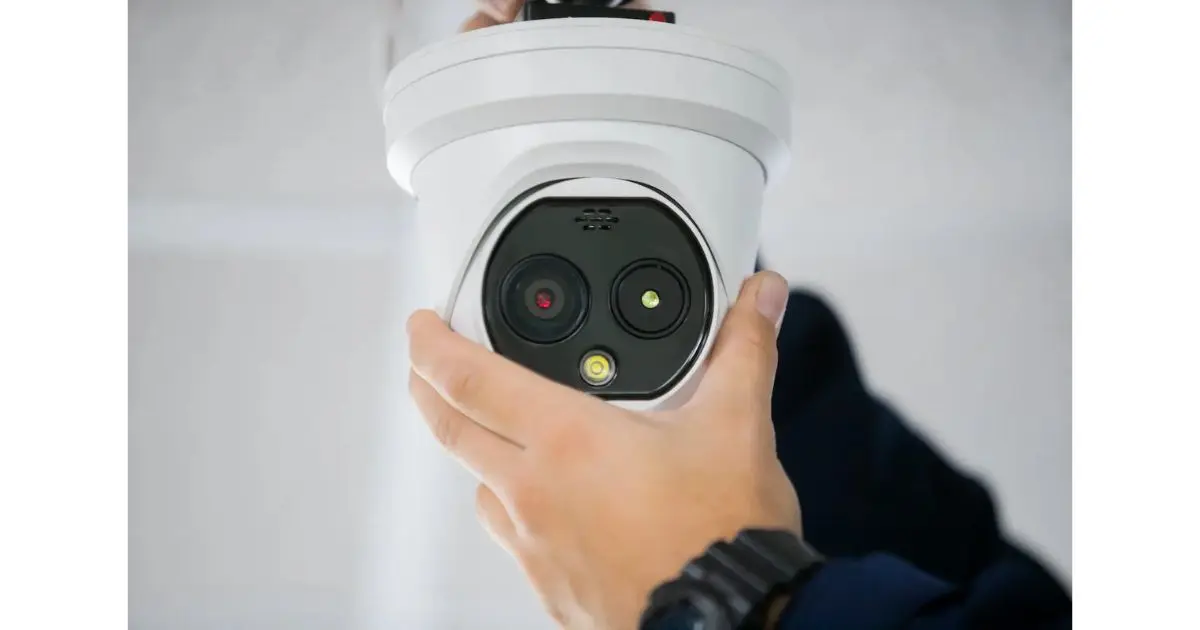
Security Cameras
Plan the views that matter, know what footage will really show, and make sure storage and placement fit the property instead of the box copy.
Security Camera Installation in Huntsville, AL
Camera work usually starts with one practical question: what do you actually need to see later? A good camera plan is built around entries, driveways, walk-up paths, work areas, registers, storage, or parking zones - not just camera count.
This page is for people trying to figure out what camera setup fits the property, what footage will really show, how long it will keep, and what changes the cost. It is not a feature checklist. It is a planning page.
Best for
This is the right path if the main issue is visibility: missing footage, blind spots, poor playback, weak remote viewing, or not knowing how many cameras the property actually needs.
Good fit / not a fit
- Good fit: you need coverage at doors, driveways, side yards, work areas, or parking spaces.
- Good fit: you need to review what happened after a delivery, break-in, complaint, or vehicle issue.
- Not a fit: the bigger need is alarm response when a door or window opens.
- Not a fit: the main project is controlling who can unlock a business door.
Typical jobs
- Adding coverage at a front door, driveway, backyard gate, or detached building.
- Replacing a camera system that records, but does not produce useful playback when you zoom in or review motion.
- Installing exterior cameras around a storefront, office entry, side lot, or delivery door.
- Building a mixed setup with a few high-priority detail views and a few wider overview cameras.
What camera setup do you actually need?
Most jobs are a mix of close detail views and wider context views. A front door might need a tighter shot at face height. A driveway or parking area might need a broader view that shows movement and vehicle position. One camera usually does not do both jobs well.
The real planning question is not 'How many cameras can we fit in the budget?' It is 'Which views matter enough to get right first?' Once those are clear, the camera count usually makes more sense.
What will footage really show?
Good footage can show a person approaching, where they came from, what door they used, and what happened around the event. Identification detail depends on distance, angle, lighting, mounting height, and whether that camera was aimed for overview or detail.
That is why placement matters more than marketing terms. A wide camera that sees everything may still not give face detail from across a lot. A tighter camera can, but it covers less area. The right answer is often a mix.
Where cameras usually go
Most camera plans start at the front door, driveway, back door, side access, and any area where people approach without being seen from inside. For businesses, that often expands to employee entrances, customer entry, register views, stock movement paths, and parking coverage near the building.
Placement also has to account for lighting, soffits, glare, roof lines, and cable paths. A view that sounds right on paper can be wrong once you factor in the actual mounting surface.
How long will footage keep?
Retention depends on how many cameras you have, how often they record, the resolution you choose, and the amount of storage in the recorder. A quiet property and a busy storefront do not consume storage at the same rate.
The useful question is not 'Do you have cloud or local recording?' It is 'How many days of footage do I need before old footage rolls off, and which cameras matter most?'
What affects scope or cost?
Scope is driven by camera count, cable paths, mounting difficulty, recorder size, network stability, and whether existing wiring is worth reusing. Exterior brick, long runs, detached structures, attic access, and tall mounting points can all change labor.
The most expensive system is not always the best one. The better system is the one that gives the right views, the right retention, and stable playback without overbuilding areas you do not care about.
Before you buy
- List the exact places where useful footage matters most.
- Decide whether the main goal is overview, identification, plate visibility, or a mix of those.
- Think about how many days of footage you want to keep before it overwrites.
- If the property has weak Wi-Fi or network trouble, assume that needs to be part of the discussion.
Process
- We walk the property and mark the views that matter first.
- We decide which cameras are for detail and which are for wider context.
- We match storage and network needs to the camera plan.
- We install, test playback, and make sure remote viewing works the way it should.
FAQ
- A higher resolution label does not fix a bad angle or a poor mounting location.
- Most properties need a mix of overview views and tighter detail views.
- Retention days depend on camera count, recording behavior, and recorder size.
- Weak networking can be part of the camera problem, not a separate issue.
Need help deciding camera count and retention?
Tell us which views matter most and whether this is for a house, office, storefront, or lot. We can usually narrow the plan down fast.