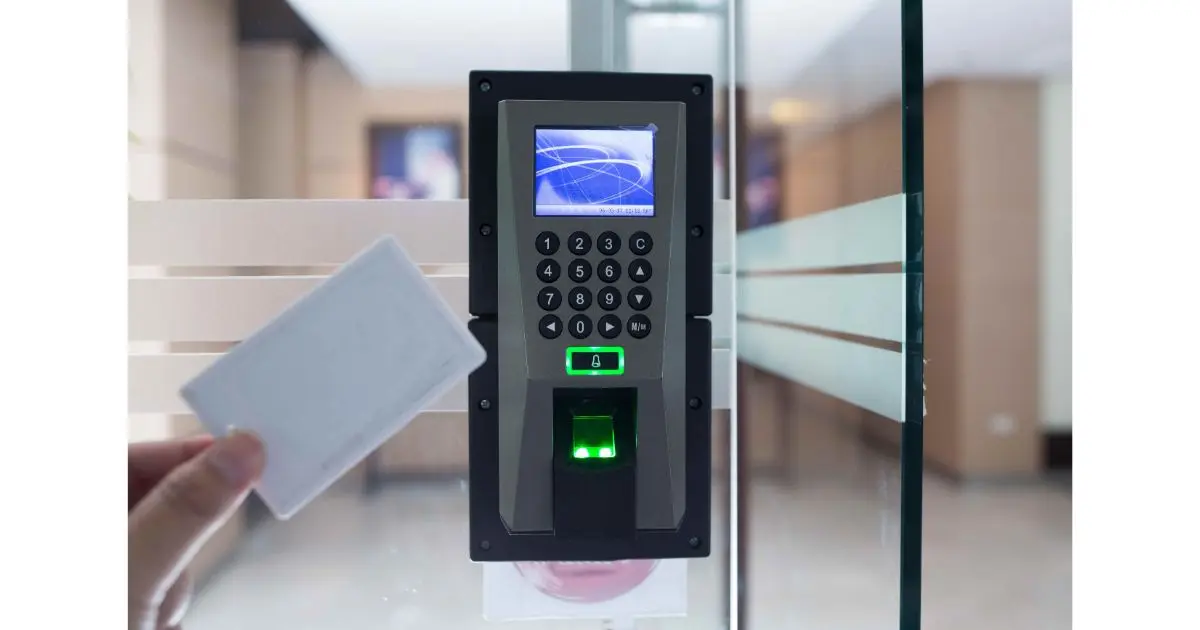
Access Control for Business Doors
Find out whether your doors are a fit, how much management is involved day to day, and what changes when the job is one door versus several.
Access Control for Business Doors in Huntsville, AL
This page is for offices, storefronts, suites, and light commercial spaces that are tired of copied keys, rekeying after staff changes, or guessing who opened a door after hours. The core questions are practical: will this work on my doors, is it worth doing for a small business, and how hard is it to manage after install?
Access control is not just a keypad on the wall. It is the lock hardware, the door condition, the power path, the credential method, and the daily management habits that make the system useful instead of annoying.
Best for
This is the right path when the main issue is controlling entry to a business door, changing access without changing locks, or tracking who opened a door and when.
Good fit / not a fit
- Good fit: you have staff turnover, shared keys, or after-hours access that needs tighter control.
- Good fit: you want one door, a few doors, or a suite entrance to be easier to manage than key copies and rekeys.
- Not a fit: the main need is video coverage rather than door control.
- Not a fit: the job is really an alarm-monitoring problem instead of an entry-management problem.
Typical jobs
- Putting one front office or suite door on credentials instead of physical keys.
- Adding controlled entry to a side employee door or after-hours entrance.
- Upgrading a business from a keypad-only setup to managed users, schedules, and event history.
- Rolling several doors into one system so managers stop juggling keys, codes, and separate hardware.
Will this work on your doors?
That depends on the door, frame, lockset, closer, strike condition, and how the door behaves now. A strong access control system starts with a door that already closes and latches the way it should. If the hardware is loose, misaligned, or fighting the frame, that has to be handled first.
Some doors are straightforward. Others need hardware changes, power transfer work, or a different lock approach than the one people first imagine. The right way to quote access control is by looking at the actual door, not just counting openings.
How hard is it to manage day to day?
For most small businesses, daily management is simple once the user structure is set up correctly. Add a user, remove a user, set hours for a door, and decide who gets which opening. The hard part is usually not the software. It is deciding who should have what access and keeping that list current.
That is why the setup matters. If the structure is built cleanly from the start, day-to-day use stays practical. If the permissions are messy from day one, even good hardware feels harder than it should.
What happens during outages?
Access control doors are designed around whether they should stay secure or allow exit and entry when power is interrupted. That depends on life-safety requirements, the lock type, and how the door is supposed to behave.
The important point for buyers is this: outage behavior is a design decision, not a surprise you figure out later. We explain how the door will behave before hardware is chosen.
What affects price and install complexity?
The biggest drivers are door condition, lock hardware, wiring path, number of openings, credential type, and whether the system is one standalone door or part of a larger managed setup. Glass storefront doors, metal frames, long wire paths, and odd existing hardware usually add complexity faster than the reader or keypad itself.
The cost gap between one easy door and one difficult door can be wider than the gap between one door and two straightforward doors. That is why a door-by-door review matters.
Before you buy
- List which doors actually need control first instead of trying to solve every opening at once.
- Think through who needs access, which hours matter, and whether managers need event history.
- Check whether the doors already close and latch properly.
- Decide whether the job starts with one door or if several doors should be managed together from the start.
Process
- We inspect the doors, hardware, and power path.
- We decide what lock approach fits the opening and how the door should behave.
- We set up users, schedules, and credential handling around real business use.
- We test the doors, hand off management access, and show you what daily changes actually look like.
FAQ
- Not every door is a quick reader-and-keypad job. Door condition matters.
- Small businesses can absolutely benefit from access control on even one or two key doors.
- Outage behavior should be decided up front based on the door and use case.
- The day-to-day work is manageable when the user structure is set up properly from the start.
Need to know if your doors are a fit?
Tell us how many doors matter, what kind of business this is, and whether the issue is keys, schedules, or staff turnover. That is usually enough to frame the next step.